What Happens When an Industrial Storage Tank Reaches the End of Its Service Life?
- Services
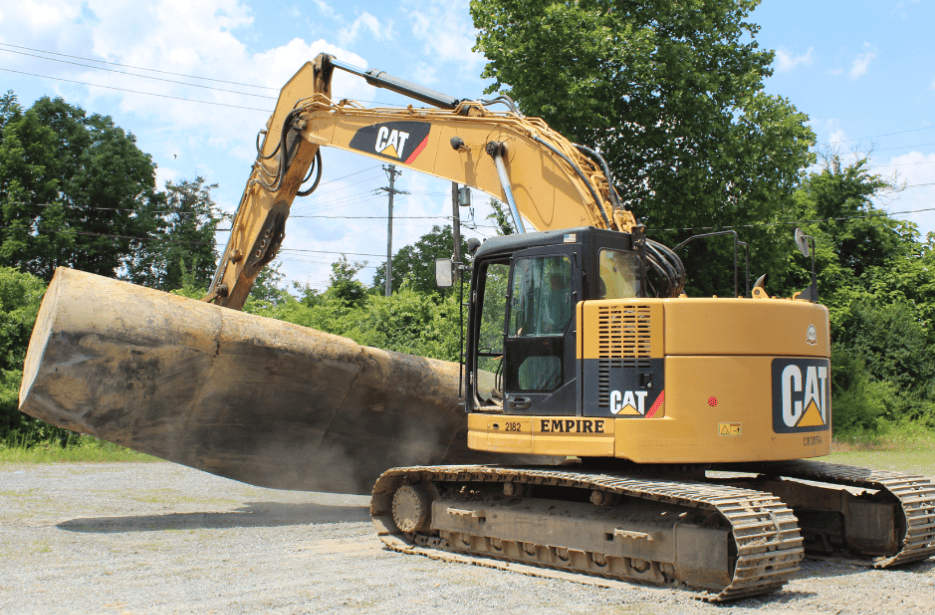
Industrial storage tanks are not designed to remain in service indefinitely. Over time, tanks can experience corrosion, structural deterioration, changes in operating conditions, or simply become unnecessary as facility needs change. The environmental implications can be significant: according to the U.S. Environmental Protection Agency, more than 583,000 releases from federally regulated underground storage tanks have been confirmed nationwide, with more than 530,000 cleaned up as of March 2026.
When a tank reaches the end of its useful life, removing it is not simply a matter of taking equipment out of service. Facility owners need to consider what the tank contains, what may remain inside it, the condition of the surrounding area, and how materials generated during the project will be managed.
Planning for the end of a tank’s service life can help facilities avoid unexpected environmental issues and operational disruptions. It also provides an opportunity to address aging equipment before it becomes a larger liability. By treating tank decommissioning as part of the overall storage tank lifecycle, facility owners can better coordinate environmental, waste management, and site restoration requirements.
Recognizing When a Storage Tank Has Reached the End of Its Useful Life
A tank does not necessarily need to be removed simply because it has reached a certain age. Its current condition and role within the facility are more important considerations. Inspection findings, maintenance history, and changes in how the tank is being used can all help determine whether continued operation makes sense. A tank may also become unnecessary when a production process changes, a facility is renovated, or the material it was designed to store is no longer used.
Signs of deterioration can indicate that a closer evaluation is needed. Significant corrosion, recurring maintenance issues, or problems with containment may raise concerns about whether a tank can continue to operate reliably and safely. Tanks that have been out of service for an extended period deserve attention as well. If there is limited information about what they previously stored or how they were maintained, leaving them in place can create uncertainty that becomes more difficult to address later.
Deciding before a tank becomes an emergency gives facility managers more control over what happens next. Planned decommissioning provides an opportunity to schedule the work around ongoing operations and coordinate the necessary environmental and waste management activities in advance. It can also help prevent an aging or unused tank from becoming an unexpected project with limited options and a much shorter timeline.
Tank Removal Can Reveal Environmental Conditions
Removing a storage tank can uncover conditions that were not visible during normal operations. Residual product or sludge may remain inside the tank, while historical releases can affect surrounding soil or other areas near the tank. In some cases, what initially appears to be a straightforward tank removal can become an environmental investigation or cleanup project.
This is particularly important for older tanks or facilities with limited records regarding previous tank use and maintenance. The materials stored in a tank over its operating life, previous repairs, and historical releases can all affect how the project should be approached. Identifying these conditions early can help facility owners determine whether additional sampling, waste characterization, excavation, or remediation may be necessary.
When environmental conditions are identified, the response needs to be coordinated with the tank project rather than treated as an entirely separate issue. Elk Environmental can provide field support and environmental services to help facilities address changing site conditions while keeping the broader project moving. Our Field Services can support environmental work in active industrial settings where access, scheduling, and ongoing operations need to be considered.
Managing Tank Contents, Residuals, and Other Project Materials
Decommissioning a tank can generate more than the tank itself. Remaining product, sludge, sediment, contaminated soil, piping, and other materials may need to be removed and properly characterized before they can be transported or disposed of. The appropriate management approach depends on the material, its condition, and applicable environmental requirements.
Waste management should therefore be considered during the planning stage rather than after materials have already been removed. Establishing how materials will be characterized, transported, and disposed of can reduce delays and help prevent materials from accumulating at the facility while decisions are being made.
Elk’s Waste Management Services can help coordinate waste profiling, transportation, and disposal associated with tank projects. When removal activities identify contaminated soil or other environmental impacts, Remediation Services can provide additional support for addressing the affected area.
Completing the Project and Planning for What Comes Next
The end of a storage tank’s service life should not be measured solely by whether the tank has been removed. A complete project also addresses remaining materials, environmental conditions, waste disposition, and documentation. Keeping accurate records of the work performed, materials removed, and any environmental findings gives facility owners a clearer record of the property’s condition and the steps taken during decommissioning.
For facilities with multiple tanks, these projects can also provide useful information for future planning. Documenting tank condition, removal activities, environmental findings, and waste management decisions can help facility teams develop a more organized approach to aging infrastructure and prioritize future projects.
Whether a facility is planning to remove an obsolete tank, replace aging equipment, or address environmental conditions discovered during tank work, early coordination can make the process more manageable. Elk Environmental works with commercial and industrial facilities to support storage tank projects and the environmental services that may accompany them, helping facility owners address the practical and environmental considerations involved from planning through project closeout.