10 Waste Management FAQs: What Businesses Need to Know in 2026
- Waste Management
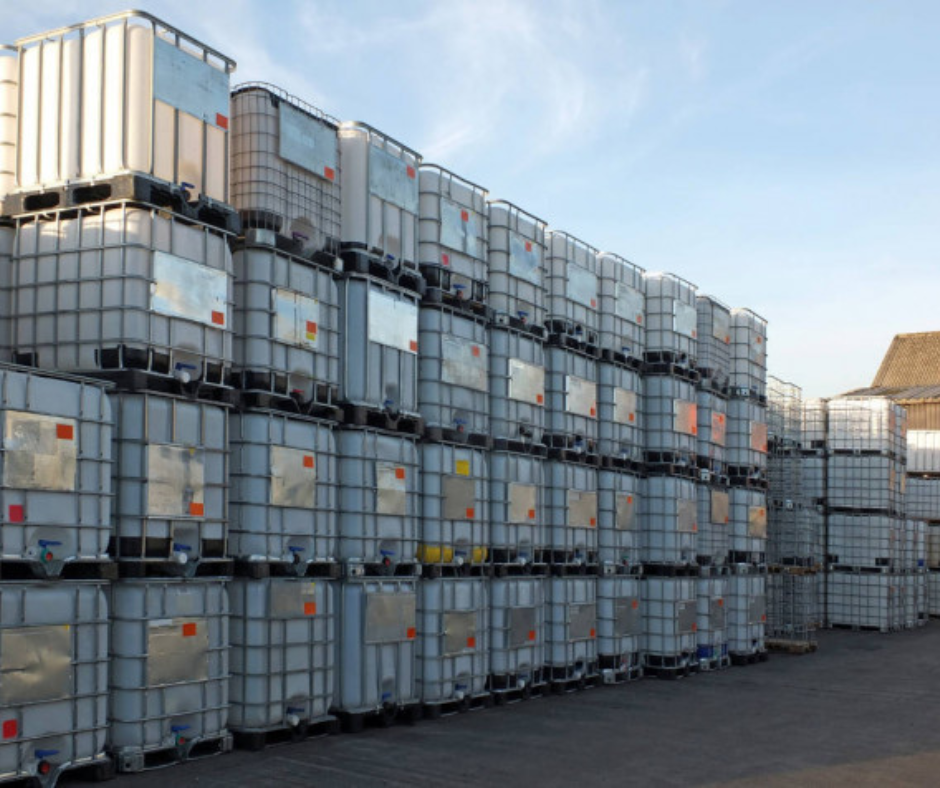
Managing waste responsibly is crucial for all industrial, commercial, and municipal operations. Whether your facility generates hazardous, non-hazardous, residual, universal, or industrial waste, staying compliant protects your business and the environment.
At Elk Environmental, we support organizations across Pennsylvania and the Mid-Atlantic with cradle-to-grave waste management solutions, emergency response, and compliance training, among other services. Below are 10 of the most frequently asked questions we receive from businesses seeking to streamline their waste management programs.
1. What services does Elk Environmental provide for waste generators?
Elk Environmental manages hazardous and non-hazardous waste, residual waste, universal waste, industrial waste, and special waste streams. Services include waste profiling, packaging, transportation, disposal, waste training for EHS professionals, spill response, industrial cleaning, and vacuum truck operations. Our goal is to provide safe, compliant, and cost-effective solutions for every type of generator.
2. What is the difference between a Large Quantity Generator (LQG) and a Small Quantity Generator (SQG)?
These generator categories are defined by how much hazardous waste a facility generates in a single month, which remains an important baseline even for facilities managing multiple waste types.
- Large Quantity Generator (LQG): Generates 1,000 kg (≈2,200 lb) or more of hazardous waste in a month, or 1 kg (≈2.2 lb) or more of acutely hazardous waste.
- Small Quantity Generator (SQG): Generates more than 100 kg (≈220 lb) but less than 1,000 kg of hazardous waste in a month.
- Very Small Quantity Generator (VSQG): Generates 100 kg (≈220 lb) or less hazardous waste in a month, including no more than 1 kg (≈2.2 lb) of acutely hazardous waste.
Many facilities use similar internal thresholds to categorize overall waste output and determine storage practices, required plans, and training needs. Elk helps facilities assess their generation levels and align their compliance responsibilities.
3. How long can waste be stored onsite?
Storage time limits depend on the type and quantity of waste generated, but general federal thresholds include:
- LQGs: Up to 90 days of onsite accumulation.
- SQGs: Up to 180 days, or 270 days if waste must be transported 200 miles or more.
- VSQGs: No federal time limit is set for onsite accumulation, but generators must manage waste safely and in compliance with local regulations.
Even non-hazardous, universal, or residual waste streams often have labeling and storage requirements designed to prevent spills, mismanagement, or compliance gaps.
4. Does Elk Environmental provide waste pickup and disposal?
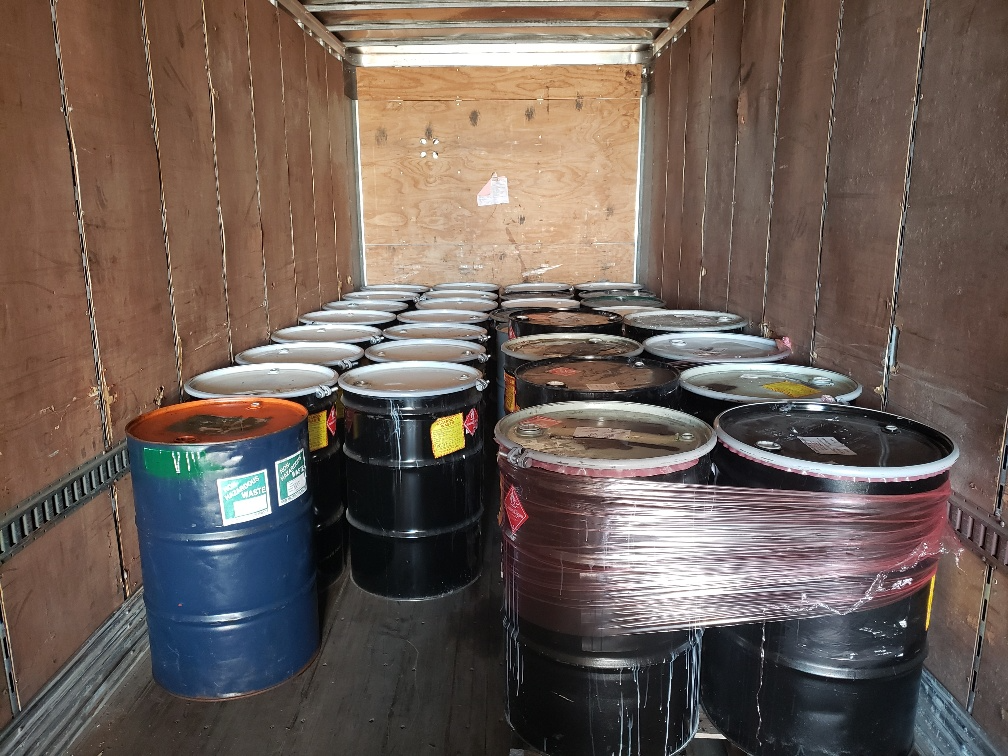
Yes. Elk provides turnkey collection, transportation, and disposal for hazardous and non-hazardous waste, including industrial waste, residual waste, universal waste, sludge, wastewater, contaminated materials, and bulk solid and liquid wastes. We handle a variety of shipment types, from LTL shipments in drums, totes, and pails to full loads in Cubic Yard Boxes (CYBs). Our team also manages profiling, labeling, manifests, and all required documentation, ensuring safe, compliant, and efficient service for every type of waste stream.
5. Is there any training needed for a generator to sign a manifest?
Yes, a generator will need:
DOT Hazmat Training (49 CFR 172.704), which covers general awareness, function-specific knowledge (classification, packaging, marking, labeling, placarding), and security awareness, as defined in 49 CFR Part 172, Subpart H.
RCRA (Resource Conservation and Recovery Act) Training, which addresses EPA’s hazardous waste management rules, including emergency preparedness specific to your generator status (e.g., Large Quantity Generator).
6. What are the most common compliance issues for waste generators?
Common issues we see across industries include:
- Incomplete or incorrect waste characterization
- Missing or improper container labels
- Storing materials beyond allowable time limits
- Lack of up-to-date training or missing documentation
- Outdated contingency or emergency plans
- Incomplete manifests or shipping paperwork
7. What training programs does Elk Environmental offer?
Elk offers a complete suite of compliance and safety training, including:
- RCRA Waste Management Training
- DOT Hazardous Materials Transportation Training
- HAZWOPER
- Spill response and emergency preparedness
- Customized on-site training
Training is available in person or online and meets state and federal regulatory requirements.
8. What information must be included on a non-hazardous manifest?
Typical manifests include:
- Generator’s name, address, and identification number
- Transporter information and license number
- Receiving facility details and permit number
- Description of the waste (type, quantity, and physical form)
- Waste code or classification
- Date of shipment and signatures from generator, transporter, and receiver
Some states (like Pennsylvania) have specific manifest forms and digital systems (e.g., PA DEP’s Residual Waste Manifest System).
9. Does Elk Environmental offer vacuum truck services?
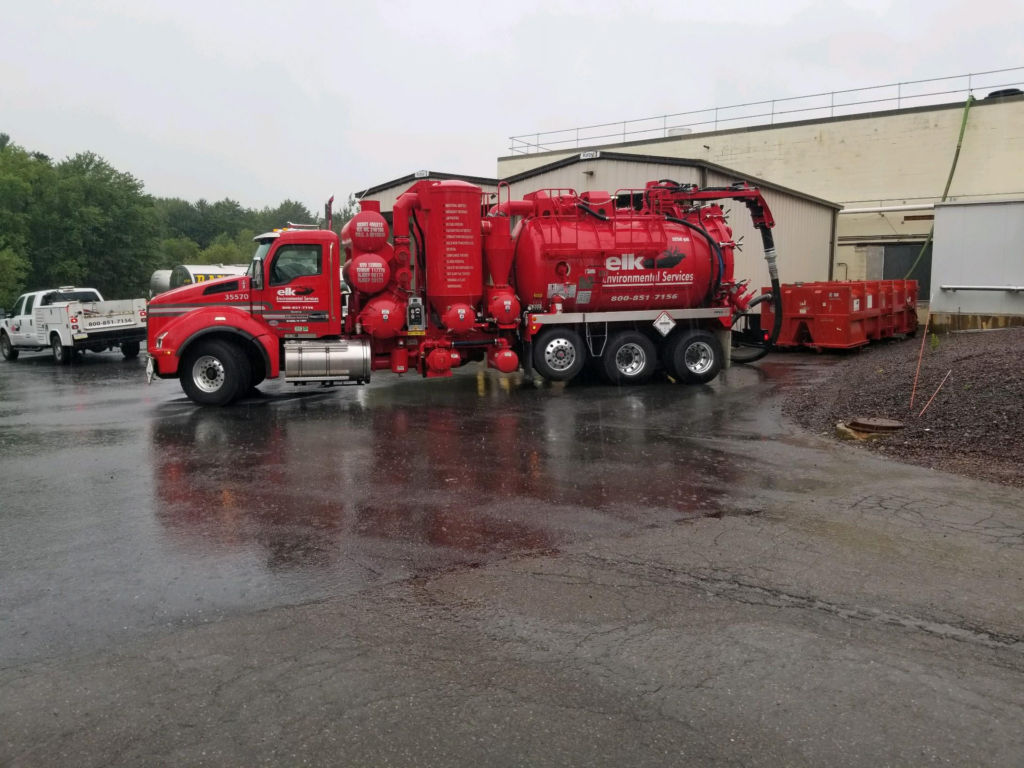
Yes. Our vacuum truck fleet supports a wide range of operational and environmental needs, including:
- Sludge and wastewater removal
- Tank cleaning and industrial pit cleanouts
- Spill cleanup and contaminated material removal
- Storm sewer and stormwater system maintenance
- Support for environmental remediation
We provide both scheduled and emergency response services.
10. How can Elk Environmental help with emergency spill response?
Elk offers 24/7 emergency response for chemical spills, transportation incidents, industrial releases, and environmental emergencies. Our team handles containment, cleanup, waste removal, regulatory reporting, and full documentation.
If your facility requires an SPCC (Spill Prevention, Control, and Countermeasure) plan, Elk can be utilized as a first responder spill contractor in your plan.
Need help managing your waste streams? Elk Environmental can support your operations.
Whether you generate hazardous waste, non-hazardous waste, residual materials, or a combination of industrial waste streams, Elk Environmental offers the expertise, documentation support, and field services needed to stay safe and compliant.
👉 Contact us: https://www.elkenv.com/contact-us