Industrial Cleaning vs. Pressure Washing: Know the Difference
- Services
When many facility managers search for pressure washing services, they are often looking for a solution to a much larger problem. Removing dirt from a building exterior is one thing. Cleaning industrial equipment coated with grease, sludge, chemical residue, scale, or process waste is a different ballgame. While both services use water and specialized equipment, industrial cleaning requires planning, expertise, and environmental compliance that go well beyond traditional pressure washing.
For manufacturing facilities, power plants, wastewater treatment facilities, transportation hubs, and other industrial operations, choosing the right cleaning method can improve equipment performance, reduce downtime, support worker safety, and help facilities remain compliant with environmental regulations. Understanding the difference between commercial pressure washing and industrial cleaning helps organizations choose the right partner for the job.
Pressure Washing Has Its Place
Pressure washing is designed primarily to remove surface dirt, mold, grime, and other buildup from exterior surfaces. It is commonly used on sidewalks, parking lots, loading docks, building facades, and concrete surfaces where appearance and routine maintenance are the primary objectives.
These projects typically involve clean water delivered at high pressure to remove contaminants from accessible surfaces. While some jobs may use detergents or degreasers, pressure washing generally produces limited waste and does not require extensive environmental controls.
Pressure washing is an effective maintenance tool for many commercial properties, but industrial environments often present far more complex challenges. Production equipment, tanks, process piping, confined spaces, and manufacturing systems accumulate materials that high-pressure water alone cannot wash away.
Industrial Cleaning Requires Specialized Equipment and Expertise
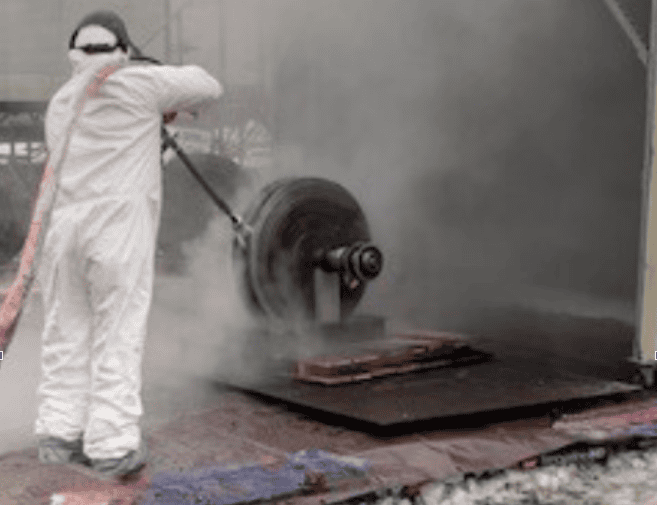
Industrial cleaning focuses on restoring equipment, maintaining production systems, and safely removing hazardous and non-hazardous materials generated during normal operations. Depending on the facility, this can involve sludge removal, chemical cleaning, hydroblasting, vacuum truck services, tank cleaning, wastewater recovery, and waste transportation.
Rather than treating every project the same way, industrial cleaning professionals evaluate the equipment being cleaned, the material being removed, environmental requirements, and how the work can be completed safely without unnecessary disruption to operations.
At Elk Environmental, industrial cleaning is supported by a broad range of field services that help facilities maintain critical infrastructure while addressing challenging environmental conditions in full compliance. Whether crews are cleaning process equipment, supporting shutdown activities, or preparing tanks for inspection or maintenance, each project is planned around the facility’s operational needs and applicable regulatory requirements.
This comprehensive approach reflects how leading industrial service providers such as Elk approach cleaning projects. Industrial cleaning is part of a larger environmental services strategy that includes waste management, hydroblasting, vacuum services, and maintenance support.
Water Is Only One Part of the Process
One of the biggest misconceptions about industrial cleaning is that higher water pressure automatically produces better results. In reality, many industrial cleaning projects depend just as much on the recovery and management of waste as they do on the cleaning itself.
Facilities may need to remove accumulated sludge from tanks, recover contaminated wastewater, clean process piping, or eliminate residue from production equipment before maintenance can begin. In these situations, the challenge is not simply washing surfaces. It is safely collecting, transporting, and disposing of the materials removed during the cleaning process.
Elk Environmental Services’ vacuum truck solutions play an important role in these projects by recovering liquids, sludge, debris, and other waste materials generated during industrial cleaning operations. Vacuum trucks help minimize manual handling while supporting efficient cleanup and proper waste management.
The U.S. Environmental Protection Agency also emphasizes that industrial wastewater and waste materials must be properly managed to protect water quality and the environment. Facilities generating wastewater during cleaning operations should follow applicable discharge and disposal requirements established under local, federal, and state regulations. Additional guidance is available through the EPA’s industrial wastewater resources.
Environmental Compliance Matters
Industrial cleaning projects often involve much more than restoring equipment to working condition. Facilities must also consider how cleaning activities affect worker safety, wastewater management, and environmental compliance.
Chemical residues, petroleum products, industrial sludge, and contaminated liquids frequently require specialized handling. Depending on the materials involved, waste may need to be characterized, transported, and disposed of in accordance with applicable regulations. Proper planning helps facilities avoid unnecessary delays while reducing environmental risks associated with industrial maintenance activities.
Worker safety is equally important. Cleaning tanks, confined spaces, elevated structures, and process equipment introduces hazards that require trained personnel, specialized equipment, and established safety procedures. OSHA provides extensive guidance on controlling workplace hazards during industrial operations, including confined space entry and hazardous energy control, at https://www.osha.gov.
By integrating industrial cleaning with waste management and environmental services, facilities can address operational challenges while maintaining compliance with applicable environmental and workplace safety requirements.
Choosing the Right Partner for the Job
Not every cleaning project requires industrial services. Pressure washing remains an excellent solution for maintaining building exteriors, concrete surfaces, parking areas, and other visible infrastructure. However, when cleaning involves process equipment, tanks, pipelines, sludge, contaminated liquids, or production systems, facilities typically require a more comprehensive approach.
An experienced industrial cleaning provider brings together specialized equipment, trained personnel, environmental expertise, and waste management capabilities to complete projects safely and efficiently. Instead of coordinating multiple contractors for cleaning, waste transportation, and environmental support, facility managers can often streamline projects by working with a provider that offers integrated services.
Elk Environmental supports industrial facilities throughout Pennsylvania and the surrounding Mid-Atlantic Region with industrial cleaning, vacuum truck services, waste transportation, and environmental field support. By combining these capabilities, Elk helps facilities reduce downtime, improve operational efficiency, and maintain compliance throughout every phase of a cleaning project.
Looking Beyond Pressure Washing
The difference between pressure washing and industrial cleaning is not simply the amount of water or the pressure being used. It is the scope of the work, the complexity of the environment, and the expertise required to complete the job safely.
While pressure washing focuses on cleaning surfaces, industrial cleaning addresses the operational needs of manufacturing plants, utilities, wastewater facilities, and other industrial sites where contamination, waste management, and regulatory compliance all play a role in project success. By providing integrated industrial field services, vacuum truck support, and environmental expertise, Elk Environmental helps facilities tackle cleaning challenges that extend far beyond what traditional pressure washing can accomplish.
If your facility is planning a shutdown, preparing equipment for maintenance, or managing complex industrial cleaning needs, contact Elk Environmental to learn how our team can support your next project.